
Vestibular
Vertigo Explained: Why the Room Spins, and What Helps
Dr. Vinoth Purusothaman
PT, DPT — Vestibular Specialist, MI Therapy Clinic · Reviewed March 2026
Vertigo is one of the most frightening symptoms a patient can describe — and one of the most treatable. The trouble is that 'vertigo' is not a diagnosis. It's a symptom of several different conditions, each of which is treated very differently. Knowing which one you have is half the battle.
Vertigo vs. dizziness — they're not the same
When a patient tells me they're "dizzy," the first thing I do is ask them to describe it without using the word dizzy. Some say "the room is spinning" (true vertigo). Some say "I feel light-headed, like I'm going to pass out" (often a blood pressure or cardiac issue). Some say "I feel off, like I'm walking on a boat" (disequilibrium). Each of those points us in a completely different direction. The treatment for one will do nothing for the other.
The rest of this article is about true vertigo — the spinning sensation — which is almost always a problem with the vestibular system in the inner ear or its connections to the brain.
How the vestibular system actually works
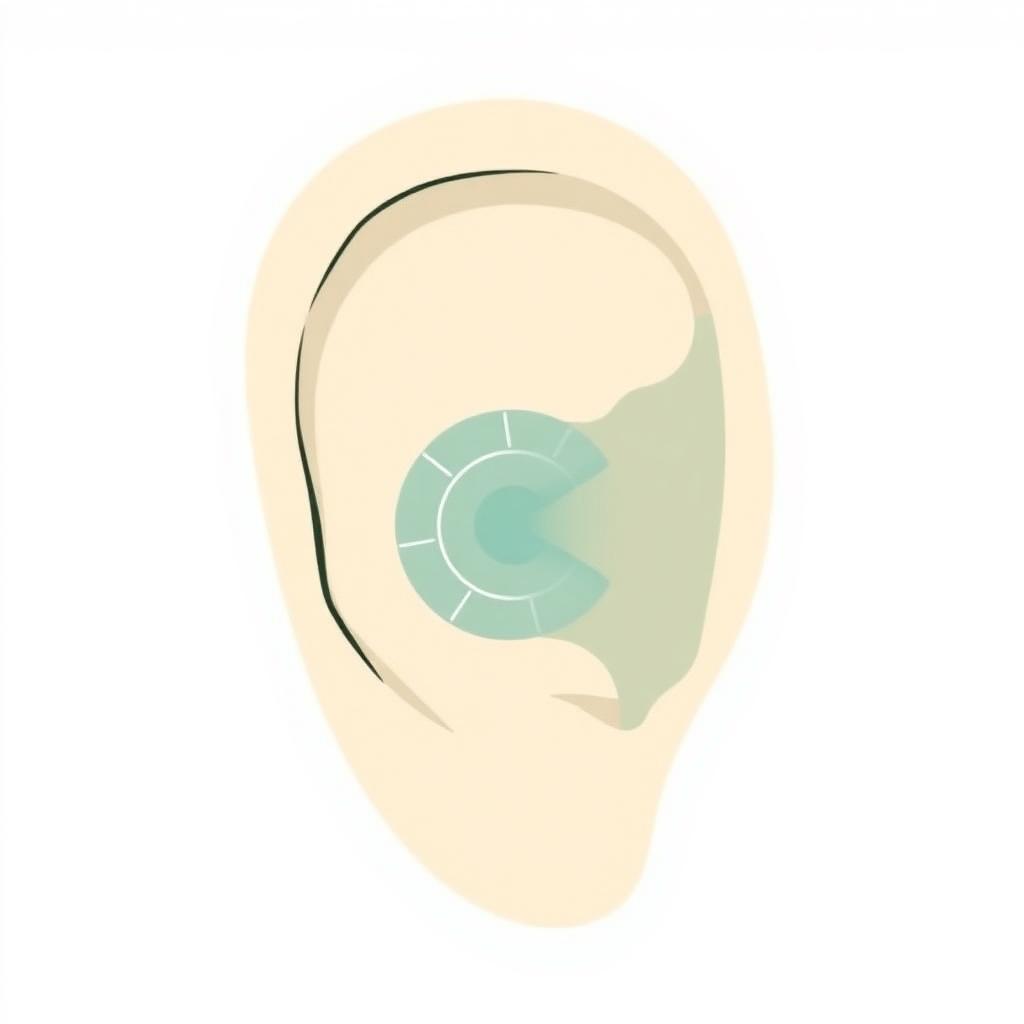
Inside each inner ear are three fluid-filled semicircular canals and two structures called the utricle and saccule. The canals detect rotation (yes/no/tilting your head); the utricle and saccule detect linear motion and gravity. They send signals to the brain that get cross-checked against what your eyes see and what your feet feel. When all three sources agree, you feel stable. When one is sending bad data, the brain interprets the mismatch as the world spinning.
The three vertigo diagnoses I see most often
BPPV (Benign Paroxysmal Positional Vertigo)
By far the most common — roughly half the vertigo patients I evaluate have BPPV. Tiny calcium crystals (otoconia) that normally sit in the utricle break loose and float into one of the semicircular canals, where they don't belong. When you change head position — rolling over in bed, looking up to a high shelf, tipping your head back at the salon sink — the crystals shift, deflect the sensitive hair cells in the canal, and you get a brief, intense burst of spinning that usually lasts under a minute.
BPPV is also the most satisfying to treat. We confirm it with the Dix-Hallpike maneuver — I bring your head back into the position that triggers your symptoms and watch your eyes for the characteristic nystagmus (involuntary eye flicker). Once we know which canal is involved, the Epley maneuver — a series of carefully sequenced head positions — uses gravity to roll the crystals out of the canal and back where they belong. Most BPPV patients are corrected in one or two visits. I tell them not to be surprised when something that ruined a month of their life resolves in twelve minutes.
Vestibular neuritis (and labyrinthitis)
A viral inflammation of the vestibular nerve. Patients almost always remember the day it started: they woke up with severe, constant spinning, often with nausea and vomiting, and could barely stand. The acute phase lasts two to three days. After that, the spinning fades but is replaced by a lingering unsteadiness and visual disturbance — your world feels slightly off-axis whenever you move your head.
Vestibular rehabilitation is the gold-standard treatment. The brain has a remarkable ability to compensate for a permanently weakened vestibular nerve, but it needs to be challenged in the right ways to do so. We use gaze stabilization exercises (think: keeping your eyes locked on a target while your head moves), habituation drills, and progressive balance work. A typical program runs 6–8 weeks; most patients are significantly better by week 4.
Ménière's disease
Episodic vertigo lasting 20 minutes to several hours, paired with hearing changes and a sense of fullness or pressure in the affected ear. Between episodes, patients feel essentially normal. We don't fully understand the cause — it appears to involve a buildup of fluid (endolymph) in the inner ear. Management is medical (often a low-sodium diet and diuretics), but PT plays a critical role in fall prevention and balance training between episodes, and in helping the brain compensate as hearing and vestibular function gradually decline on the affected side.
What a vestibular evaluation looks like at our clinic
A first vestibular visit takes about an hour. I'll ask a long list of questions — when it started, what triggers it, how long episodes last, whether you've had any hearing changes, recent illness, head injury, or new medications. Then we test:
- Eye movements — smooth pursuit, saccades, gaze holding. The eyes are a window into the brain's vestibular processing.
- Dix-Hallpike — the diagnostic test for posterior-canal BPPV.
- Roll test — for horizontal-canal BPPV.
- Head impulse test — assesses each vestibular nerve individually.
- Gaze stability — how well your eyes stay locked on a target while your head moves.
- Balance and gait — Romberg, single-leg stance, dynamic gait index.
From there, we know what we're dealing with and we start treatment in the same session. If it's BPPV, that often means doing the Epley right then. If it's vestibular hypofunction, you leave with a small set of exercises to begin at home, twice a day, no equipment needed.
Home exercises I prescribe most often
For patients who need to start retraining the vestibular system, a basic gaze-stabilization exercise looks like this: hold a business card or your thumb at arm's length, focus on a letter, and slowly turn your head left and right while keeping the letter in clear focus. Start with 30 seconds, twice a day. Progress to a minute, then to head movement up and down, then to doing it while standing on a soft surface. The goal is for the exercise to make you feel mildly dizzy — that's the brain learning. Patients are often nervous about provoking symptoms; I reassure them it's the right kind of provocation.
Come see us if you have
- True spinning sensations (not just lightheadedness)
- Balance loss or fear of falling
- Dizziness lasting more than a few days
- Nausea triggered by head movement
- Vertigo after a concussion or head injury
Vestibular problems are highly treatable, but the longer they go uncorrected, the more compensations the body builds — neck tension, anxiety about movement, decreased confidence walking — that take longer to unwind. If something's not right, don't wait. Call us at (248) 208-7492 or book directly; no referral is required in Michigan.
Want a personalized plan?
Articles are general education — not medical advice. For an evaluation tailored to your body, book a visit at MI Therapy Clinic.