
Post-Surgical
Recovering From a Total Knee Replacement: Week-by-Week Guide
Dr. Vinoth Purusothaman
PT, DPT — Co-founder, MI Therapy Clinic · Reviewed July 2026
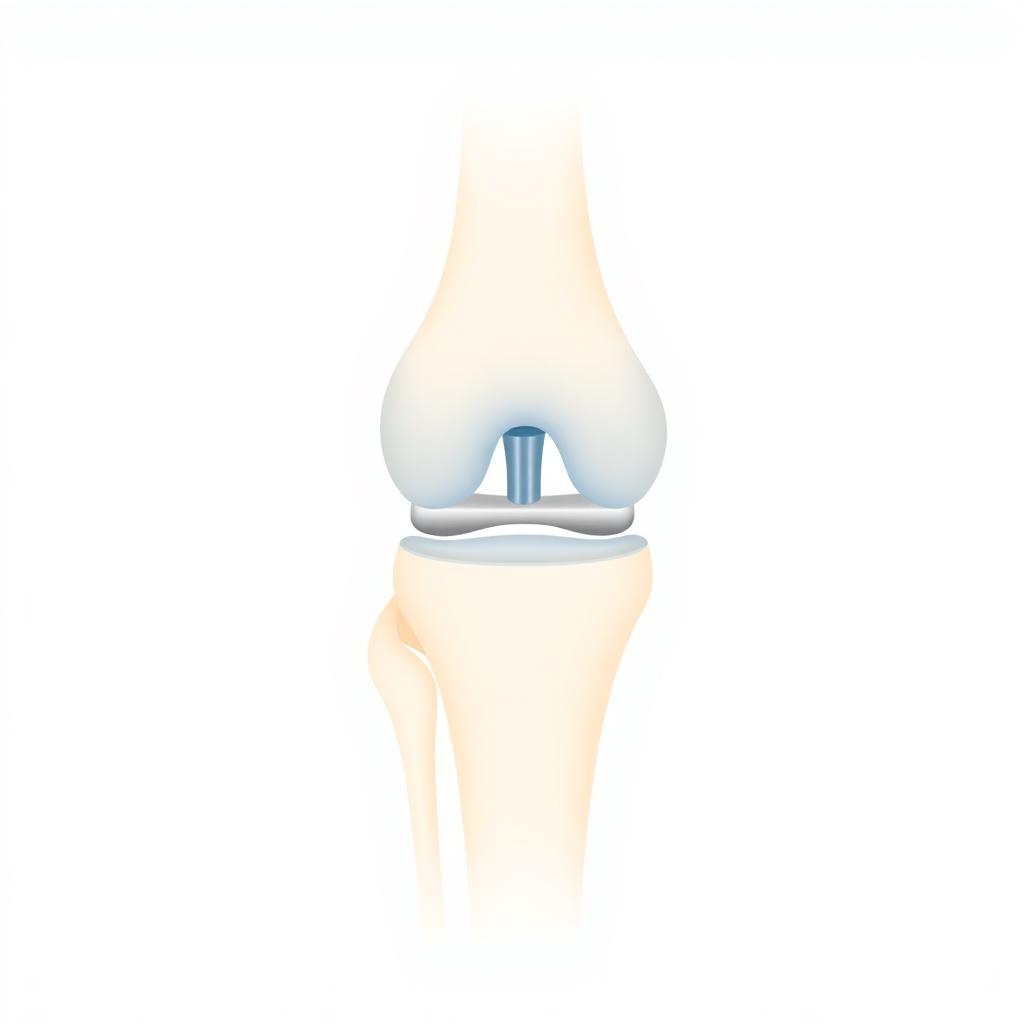
In 25 years of practice, I've taken hundreds of patients through total knee replacement recovery. The single biggest predictor of a great outcome at one year is what you do — consistently — in the first six weeks. This is the honest, week-by-week roadmap I give every new TKR patient on the day they leave surgery.
Before you read further: the mindset that matters
Knee replacement recovery is not painful because something is wrong — it's painful because we're asking a freshly operated joint to bend, straighten, and carry weight. Hurt does not equal harm. The patients who recover best understand that early, lean into the work, and keep showing up even when it's uncomfortable. The ones who struggle are usually the ones who waited for the pain to disappear before getting moving. It doesn't, until you do.
Week 1: control swelling, regain extension
You'll go home with a walker. The single most important thing you can do this week is get your knee straight — full passive extension — because a knee that heals in a slightly bent position is very difficult to straighten later, and you'll feel it every step for the rest of your life.
- Ice 20 minutes on, 40 off, throughout the day. Elevate higher than your heart.
- Heel props: lie on your back, prop your heel on a rolled towel so the knee dangles in space, gravity gently pulling it straight. 10 minutes, 4 times a day.
- Quad sets: press the back of the knee into the bed, hold 5 seconds, relax. 20 reps, hourly while awake.
- Ankle pumps to keep blood moving and reduce clot risk.
Week 2: bend the knee, ditch the walker
Goal range of motion: 0 degrees of extension to 90 degrees of flexion. We want you walking with a single cane or nothing at all by the end of this week. Outpatient PT typically starts now, two or three times a week. This is when manual therapy makes a real difference — gentle joint mobilization to break up early scar tissue, soft-tissue work to keep the quad from gripping.
Weeks 3–4: the hard middle
This is when patients call me discouraged. The novelty of surgery has worn off, the knee is still swollen and stiff, and progress feels slow. Goal range: 0 to 110 degrees. We start adding closed-chain strength (mini-squats, sit-to-stands, step-ups on a low step) and stationary bike. The bike is the secret weapon — even partial revolutions, gradually building to full revolutions, do more for knee mobility than almost anything else.
Weeks 5–8: walk normally, climb stairs
Goal range: 0 to 120 degrees. By the end of week 8 you should be walking without a noticeable limp, climbing stairs foot-over-foot (instead of one at a time), and getting in and out of a car normally. This is also the window where we add balance work, which most rehab programs underdose. Single-leg standing on a soft surface, eyes closed, dramatically reduces fall risk in the year ahead.
Months 3–6: get your life back
Most patients are discharged from formal PT around week 8 to 12, but the joint is still maturing. You should keep a home program going — a 20-minute strength and mobility routine three times a week. Patients who do this hit their one-year recovery goals 30–40% faster than those who stop.
By month 6, expect: walking distances comfortably, returning to golf, doubles tennis, hiking on flat trails, biking, swimming. Running and singles tennis are not recommended on a replaced knee — not because you can't, but because you'll wear the prosthesis out faster.
Realistic timelines (what your surgeon may not say)
- Sleeping through the night: 3–6 weeks
- Driving (right knee): 4–6 weeks once off opioids
- Returning to a desk job: 4–6 weeks
- Returning to a physical job: 10–12 weeks
- Knee feels "like your own" again: 9–12 months. This surprises people. Some swelling, warmth, and clicking sensations are normal up to a year out.
Red flags — call your surgeon, not just us
- Calf pain, swelling, or tenderness (rule out DVT)
- Fever above 101.5°F
- Drainage from the incision after the first week
- Sudden, severe pain different from your usual recovery pain
How we work with TKR patients at MI Therapy Clinic
You'll see the same therapist every visit (that's our goal — continuity is everything in this kind of recovery), in 60-minute one-on-one sessions. Every visit includes hands-on manual therapy, individualized exercise progression, and a home program written down so you and your spouse both know exactly what to do tomorrow. Most patients are discharged ahead of the average national timeline.
If you have a knee replacement coming up, the best time to see us is before surgery — pre-hab. A stronger, more mobile knee going in is a stronger, more mobile knee coming out. Call (248) 208-7492 to schedule. No referral required in Michigan.
Want a personalized plan?
Articles are general education — not medical advice. For an evaluation tailored to your body, book a visit at MI Therapy Clinic.